


UNESCO World Heritage Sites: A Guide to Humanity's Greatest Treasures 🌎
In an age of rapid globalization and environmental change, certain places stand as irreplaceable testimonies to human creativity and natural wonder. These are the UNESCO World Heritage Sites; locations deemed so significant that they belong not to any single nation, but to all of humanity.
The Origins of World Heritage Protection
The concept of World Heritage emerged from a remarkable moment in history. In the 1960s, the construction of Egypt's Aswan High Dam threatened to flood the ancient temples of Abu Simbel and Philae. The international campaign to save these monuments, led by UNESCO, demonstrated that some places transcend national boundaries in their importance to human civilization.
This success led to the adoption of the World Heritage Convention in 1972, establishing the legal framework for identifying and protecting places of "outstanding universal value." The first sites were inscribed in 1978, including Yellowstone National Park in the United States and the Galápagos Islands in Ecuador.

Understanding World Heritage Criteria
To earn UNESCO designation, a site must meet at least one of ten criteria, falling into two main categories:
Cultural Criteria:
Represent a masterpiece of human creative genius
Exhibit important interchange of human values across cultures or time periods
Bear unique testimony to a cultural tradition or civilization
Constitute an outstanding example of architectural or technological achievement
Represent a traditional human settlement or land-use interaction
Be directly associated with events, traditions, or beliefs of outstanding universal significance
Natural Criteria:
Contain superlative natural phenomena or exceptional natural beauty
Represent major stages of Earth's evolutionary history
Demonstrate significant ecological and biological processes
Contain important natural habitats for biodiversity conservation
Exploring UNESCO's Most Remarkable Sites
Historical Treasures
Angkor Archaeological Park, Cambodia sprawls across 400 square kilometers, containing the magnificent remains of the Khmer Empire's capital cities from the 9th to 15th centuries. The iconic Angkor Wat, originally a Hindu temple complex dedicated to Vishnu, represents the pinnacle of classical Khmer architecture and remains the world's largest religious monument.
Petra, Jordan reveals the architectural genius of the Nabataeans, who carved elaborate facades into rose-red sandstone cliffs. This ancient trading city controlled crucial incense routes and demonstrates remarkable water management systems that sustained a thriving civilization in the desert for over 400 years.
Machu Picchu, Peru represents Inca engineering mastery, with precisely fitted stone blocks and agricultural terraces designed to withstand earthquakes in the Andes Mountains at 2,430 meters elevation. This "Lost City of the Incas" showcases sophisticated understanding of astronomy, agriculture, and architecture.
Natural Wonders
Great Barrier Reef, Australia supports the world's most extensive coral reef ecosystem, stretching 2,300 kilometers along Queensland's coast. Home to over 1,500 fish species, 411 types of hard coral, and critical nesting grounds for endangered sea turtles, it's visible from space and supports incredible marine biodiversity.
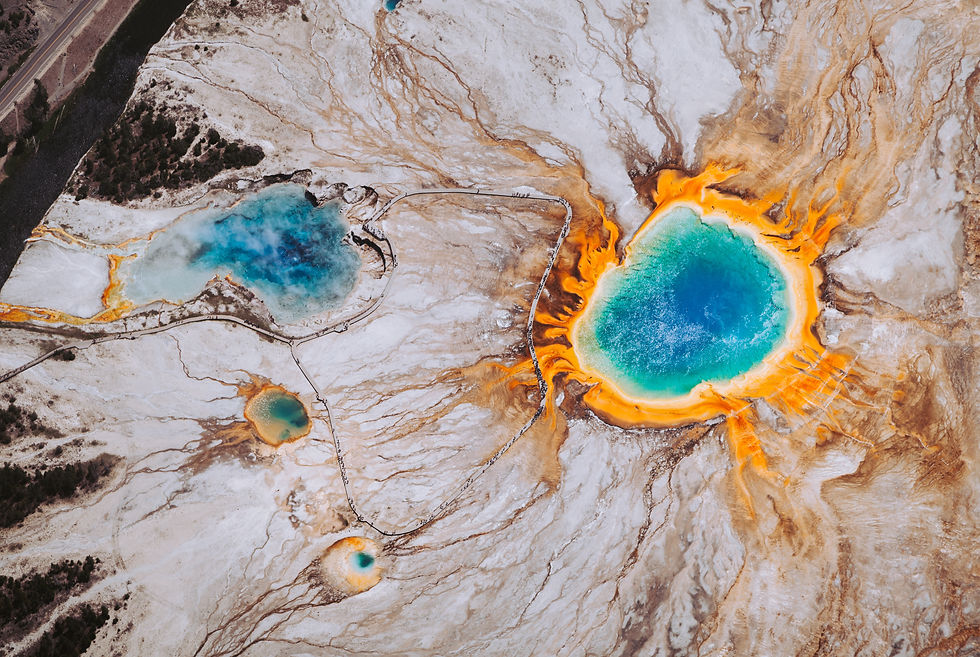
Yellowstone National Park, USA was the world's first national park and remains a testament to geothermal wonders with over 10,000 thermal features. Its ecosystem supports the largest concentration of mammals in the lower 48 states, including grizzly bears, wolves, and free-roaming bison herds.
Serengeti National Park, Tanzania hosts the planet's most spectacular wildlife migration, as over two million wildebeest, zebras, and gazelles traverse ancient routes between Tanzania and Kenya in an endless cycle of life, death, and renewal that has continued for over a million years.
Unique Phenomena
Socotra Archipelago, Yemen hosts extraordinary biodiversity with over 700 endemic species found nowhere else on Earth. Isolated in the Arabian Sea for millions of years, this "Galápagos of the Indian Ocean" evolved unique flora, including the iconic Dragon's Blood Trees with their umbrella-shaped canopies and crimson-red resin.
Giant's Causeway, Northern Ireland displays approximately 40,000 interlocking basalt columns formed by volcanic activity 60 million years ago. These mostly hexagonal stones create a natural stairway to the sea that has inspired legends of giants building a bridge to Scotland, demonstrating how geological wonders inspire human storytelling.
Rapa Nui National Park, Chile on Easter Island preserves nearly 1,000 moai statues created by Polynesian settlers between 1250 and 1500 CE. These monolithic human figures, some weighing up to 75 tons, demonstrate sophisticated engineering and artistic achievement in one of the world's most isolated locations, over 2,000 miles from the nearest populated land.
Conservation Challenges and Success Stories
World Heritage Sites face unprecedented pressures from climate change, mass tourism, urban development, and political instability. The World Heritage in Danger List currently includes 55 sites requiring urgent action.
Success Stories:
Galápagos Islands recovered from near-ecological collapse through strict conservation measures and tourism management
Yellowstone successfully reintroduced wolves, restoring natural ecosystem balance
Angkor combines conservation with sustainable tourism, supporting local communities while preserving ancient structures
Ongoing Challenges:
Venice battles rising seas and overwhelming tourist numbers
Great Barrier Reef suffers from coral bleaching due to warming oceans
Syrian heritage sites endure damage from ongoing conflict

Planning Your World Heritage Journey
When visiting World Heritage Sites, travelers bear responsibility for their preservation. Choose operators committed to sustainable practices, respect local communities, and understand each site's cultural significance beyond its touristic appeal. Consider visiting during shoulder seasons to reduce overcrowding and support local economies through authentic experiences.
The Future of World Heritage
World Heritage Sites face unprecedented pressures from climate change, mass tourism, and development. Yet they remain beacons of hope—reminding us that some things transcend political boundaries and belong to all humanity. With over 1,100 sites across 167 countries, they weave a tapestry of our shared heritage spanning continents, cultures, and centuries.
Beyond responsible travel, there are many ways to support UNESCO's vital mission. You can subscribe to their newsletters to stay informed about conservation efforts, donate to preservation projects, become a partner organization, participate in their webinars and educational courses, or even visit UNESCO headquarters to learn more about their global initiatives. Every action, no matter how small, contributes to protecting these irreplaceable treasures.
Which UNESCO World Heritage Site will you explore next? The choice is yours, but the responsibility to preserve these treasures belongs to us all. Contact us to plan your visit.


Comments